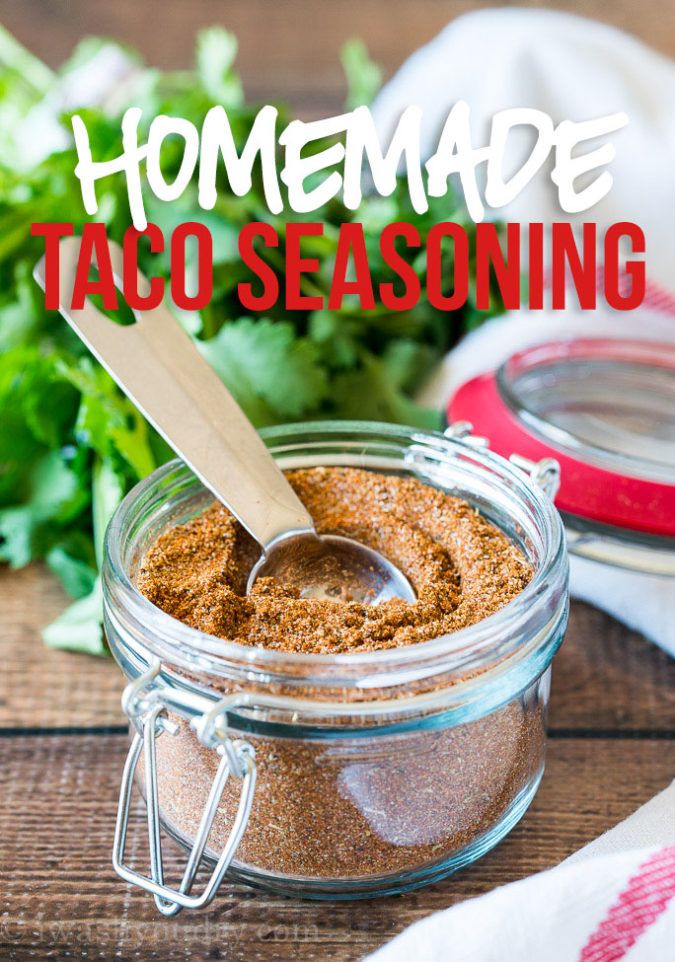
Your Go-To Spice: Easy Homemade Taco Seasoning Recipe for Any Meal
Tacos hold a special place in the hearts (and stomachs) of many, transcending mere cuisine to become a cultural phenomenon. From the bustling streets of San Antonio, Texas – a true taco haven – to weeknight family dinners around the globe, the magic often lies in the seasoning. While convenience might tempt you to reach for a store-bought packet, there’s an unparalleled joy and flavor revolution waiting when you embrace a
homemade taco seasoning recipe. It’s more than just a blend of spices; it’s a canvas for culinary creativity, offering superior taste, health benefits, and incredible versatility that pre-packaged alternatives simply can't match. This article will guide you through crafting your own signature blend, elevating every meal from ordinary to extraordinary.
Why Homemade Taco Seasoning Reigns Supreme
The decision to craft your own spice blend isn't just about saving a few pennies; it's about taking control of your culinary experience. A
homemade taco seasoning recipe consistently outperforms its store-bought counterparts across several key metrics.
Unmatched Flavor and Customization
Imagine a spice blend that’s perfectly balanced with smoky, herby, bold, and zesty notes, tailor-made to your palate. That's the promise of homemade. Pre-packaged seasonings often sit on shelves for extended periods, causing their vibrant aromatics and potent flavors to diminish. By mixing fresh spices from your pantry, you unlock a depth of flavor that is simply incomparable. Furthermore, this isn't a rigid formula. It's a foundation that invites experimentation. Want more heat? Double the cayenne. Craving extra smokiness? Increase the paprika. The power to fine-tune the ratios means your taco seasoning will always be exactly how you like it, making every dish uniquely yours. For those looking to dive deeper into personalized flavor, explore articles like
Make It Your Own: Healthy Homemade Taco Seasoning for Every Taste.
Healthier Choice, No Hidden Nasties
One of the most compelling reasons to ditch the packets is control over ingredients. Commercial taco seasonings often contain anti-caking agents, artificial colors, flavor enhancers like MSG, and excessive amounts of sodium. If you're mindful of your dietary intake, especially sodium, a
homemade taco seasoning recipe allows you to dictate exactly what goes in. You can drastically reduce or even eliminate salt for a low-sodium version without sacrificing flavor, knowing precisely what you're fueling your body with. This transparency is a significant advantage for families and individuals prioritizing wholesome eating.
Budget-Friendly and Convenient
At first glance, buying individual spice jars might seem more expensive than a single taco seasoning packet. However, this perspective quickly shifts when you consider the long-term value. Spices purchased in larger quantities are far more cost-effective per gram, and a single batch of homemade seasoning can replace numerous packets. You'll likely find that you already have most of the core ingredients in your pantry, making it a budget-smart choice. Plus, having a pre-mixed, ready-to-use blend means you save precious time during meal prep, eliminating the need to pull out multiple jars every time a craving for bold flavors strikes. This simple act of mixing your own becomes a smart investment in both flavor and finances. If you're ready to make the switch, check out
Skip the Packet: Make Your Own Flavorful & Healthy Taco Seasoning.
Crafting Your Perfect Homemade Taco Seasoning Recipe
Creating your own taco seasoning is incredibly straightforward, requiring only a few common spices and a minute or two of your time.
The Core Blend: Essential Spices
While there are countless variations, most effective
homemade taco seasoning recipes share a common foundation. These are the workhorses that deliver that signature taco flavor profile:
*
Chili Powder: The backbone, providing a rich, earthy, and mildly spicy base.
*
Cumin: Essential for its warm, earthy, and slightly pungent aroma, characteristic of Mexican cuisine.
*
Smoked Paprika: Adds a beautiful reddish hue and a deep, smoky undertone that elevates the entire blend. Regular paprika can be substituted, but smoked provides a distinct enhancement.
*
Garlic Powder: Offers a pervasive savory depth that permeates any dish.
*
Onion Powder: Complements the garlic, adding another layer of savory pungency.
*
Dried Oregano: For a herbaceous, slightly bitter note that brightens the blend. Mexican oregano (with its citrusy, earthy notes) is ideal, but standard Mediterranean oregano works well too.
*
Salt: Crucial for enhancing all other flavors.
*
Black Pepper: Provides a subtle kick and aromatic complexity.
*
Cayenne Pepper: The primary source of heat, adjustable to your preference.
Simply combine these spices in a bowl, whisk them thoroughly until well-integrated, and you have a blend that's ready to transform your meals.
Tailoring to Your Taste: Heat and Salt Levels
This is where your inner chef shines. The beauty of a
homemade taco seasoning recipe is its adaptability:
*
For Mild Flavor: Simply omit the cayenne pepper. You'll still get a robust flavor profile without any significant heat.
*
For Extra Spice: Double the cayenne pepper for a noticeable kick. For a truly fiery experience, consider adding a pinch of chipotle powder for smoky heat, or a dash of crushed red pepper flakes.
*
For Low-Sodium Diets: Drastically reduce the salt or omit it entirely. You can always season individual dishes with salt to taste at the table, giving you full control.
Remember, taste as you go! Mix a small batch, test it in a dish, and then adjust the ratios in your main blend until it's perfect for you.
Recipe Yield and Usage Guidelines
A typical
homemade taco seasoning recipe yields approximately 1/2 cup of seasoning. This amount is surprisingly potent, enough to season about 8 pounds of ground beef or other meat.
*
For Ground Meat: Use about 2 tablespoons of homemade taco seasoning per pound of ground beef, turkey, chicken, or pork. Cook the meat, drain any excess fat, then stir in the seasoning. For best results, add about 1/2 cup of water (or broth) and simmer until the liquid has evaporated and the flavors have melded into the meat.
*
Replacing Store-Bought Packets: A standard store-bought taco seasoning packet is typically designed to season 1 pound of meat. To achieve a similar flavor intensity with your homemade blend, use approximately 2 to 2½ tablespoons of your homemade seasoning per pound of meat, followed by 1/2 cup of water as directed above. Always start with a little less and add more if needed, as homemade blends can often be more concentrated.
*
For Fish: Fish is more delicate and absorbs flavors quickly. Reduce the amount to about 2 teaspoons per pound of fish to avoid overpowering its natural taste.
Beyond Tacos: Unleashing Its Versatility
While "taco seasoning" is in the name, this powerful blend is far too delicious to be confined to just one type of dish. Its smoky, savory, and zesty profile makes it incredibly versatile across a wide array of culinary applications.
Meats and Plant-Based Proteins
Think beyond ground beef. Your
homemade taco seasoning recipe is fantastic with:
*
Chicken: Rub it onto chicken breasts, thighs, or a whole chicken before grilling, roasting, or pan-frying. It's perfect for shredded chicken tacos, burrito bowls, or even simply grilled chicken salads.
*
Pork: Use it as a dry rub for pork chops, pork tenderloin, or slow-cooker pulled pork.
*
Seafood: Sprinkle it on shrimp, white fish (like cod or tilapia), or even salmon before baking, grilling, or sautéing.
*
Plant-Based: Transform plain tofu, tempeh, lentils, or black beans into flavorful fillings for vegetarian tacos, burritos, or grain bowls. It's a game-changer for plant-based chili.
Veggies, Soups, and Sauces
The versatility extends well beyond proteins:
*
Roasted Vegetables: Toss potatoes, sweet potatoes, cauliflower, bell peppers, or broccoli with olive oil and your taco seasoning before roasting for an incredible burst of flavor.
*
Soups and Stews: Stir a tablespoon or two into your next batch of chili, black bean soup, or even a simple vegetable soup to add depth and warmth.
*
Enchilada Sauce: Incorporate it into homemade or store-bought enchilada sauce to enhance its savory profile.
*
Dips and Dressings: Mix a teaspoon into sour cream, Greek yogurt, or mayonnaise for an instant zesty dip or sandwich spread. It's also delicious in homemade vinaigrettes for a Tex-Mex salad.
Creative Culinary Applications
Don't be afraid to think outside the box:
*
Popcorn: Sprinkle it over freshly popped popcorn for a savory, spicy snack.
*
Eggs: Dust it over scrambled eggs, omelets, or fried eggs for a breakfast with a kick.
*
Bloody Mary Rim: Mix it with a little salt for a unique and zesty rim on your next Bloody Mary cocktail.
*
Nachos & Quesadillas: Beyond the meat, sprinkle it directly onto chips before baking nachos, or into the cheese layer of a quesadilla for extra flavor.
Storage Savvy: Keeping Your Spice Blend Fresh
Proper storage is key to maintaining the potency and flavor of your
homemade taco seasoning recipe. When stored correctly, spice blends can last for up to two years, though yours will likely be used long before then!
Optimal Conditions for Longevity
*
Airtight Container: Always store your seasoning in a completely airtight container or a lidded jar. This prevents moisture and air from degrading the spices.
*
Cool, Dark Place: Spices are sensitive to heat, light, and humidity. Avoid storing your blend near the stove, above the dishwasher, or in direct sunlight. A pantry, cupboard, or drawer is ideal.
*
Avoid Heat Sources: Proximity to heat sources can cause spices to lose their essential oils and vibrant flavors more quickly.
Troubleshooting: When Spices Clump
Spices are hygroscopic, meaning they love to absorb moisture from the air. If your seasoning clumps together, it's a sign that humidity has seeped in. Don't worry, it's usually still good! Simply give the container a vigorous shake before each use to break up the clumps. To prevent this, ensure your container is sealed tightly and your spices are completely dry before mixing them. You can also occasionally open the container and let it air out for a few minutes in a dry environment.
Conclusion
Embracing a
homemade taco seasoning recipe is a small step that yields monumental culinary rewards. From the unparalleled freshness and depth of flavor to the complete control over ingredients and impressive versatility, it truly transforms any meal. Say goodbye to bland, additive-laden packets and hello to a world of vibrant, customizable taste. Whip up a batch today and discover your new secret weapon for delicious, healthy, and exciting meals, making every day feel like Taco Tuesday.